Disclosure : This post may contain affiliate links or paid partnerships. I may earn compensation if you click a link or make a purchase, at no additional cost to you. See my disclosure for more info.
A full kitchen renovation can cost $30,000 or more and take months.
Better lighting costs a fraction of that and can be done over a weekend. And in most kitchens, it delivers a more visible change than new countertops or cabinet fronts ever would.
Light is the medium through which every other surface in your kitchen is experienced. Change the light, and you change the perception of everything in the room simultaneously.
Why Lighting Upgrades Outperform Most Kitchen Renovations
Every surface in your kitchen — cabinets, countertops, backsplash, flooring — is perceived through light. Change the light and you change how all of those surfaces look and feel at once.
Bad lighting makes expensive finishes look mediocre. Good lighting makes modest finishes look intentional and beautiful. The framework that creates the most dramatic change works in three layers: ambient for coverage, task for function, and accent for depth and atmosphere. A kitchen with all three looks professionally designed.
Ambient Lighting: The Transformation Begins Here
The ambient layer is the room’s base. Before adding anything else, establish a solid, warm, dimmable base layer that covers the whole space.
1. Recessed ceiling lights with a dimmer
Pair recessed cans with a dimmer switch and you unlock real control over how the kitchen feels at every hour. One switch installation that pays dividends every single day from that point forward.
2. Flush mount with frosted glass
Where recessed fixtures are not an option, the difference between a clear-glass and a frosted-diffuser flush mount is more significant than most people expect until they make the swap themselves.
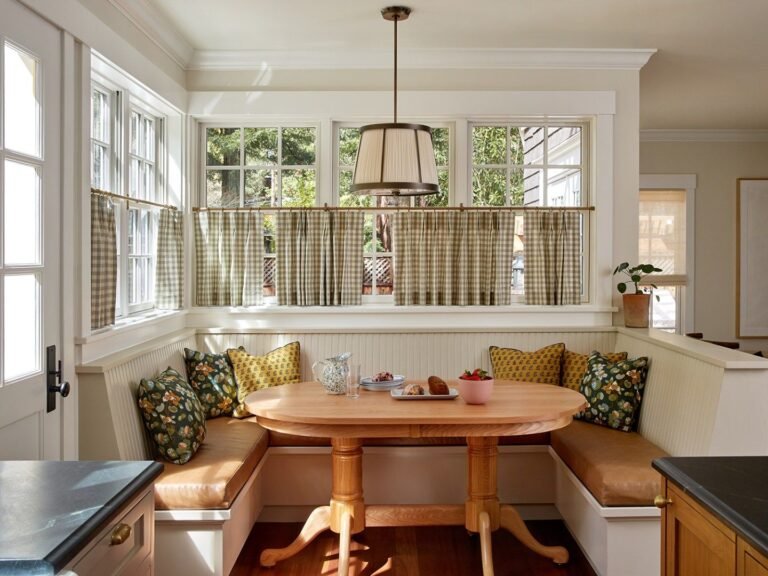
3. Semi-flush with a fabric shade
A semi-flush mount with a linen or fabric shade produces warmer, softer ambient light and transforms the character of the kitchen more thoroughly than any glass-diffused alternative.
4. LED panels for low ceilings
A low ceiling plus bulky fixture equals a kitchen that feels cramped and dim. Slim LED panels mount flush, deliver strong even light, and immediately make the room feel more open. The visual breathing room this creates is immediate.
5. Cove lighting at the ceiling perimeter
Hidden LED strips in a ceiling cove cast light upward, creating a diffused ambient glow that makes the room feel taller and warmer. It is the ambient equivalent of upgrading from economy to business class.
Task Lighting: Transforming How the Kitchen Actually Functions
Task lighting changes how you use your kitchen every day. It solves the shadow problem, improves safety, and makes the kitchen feel like a properly equipped workspace rather than an improvised one.
6. Under-cabinet LED strips
The upgrade with the most immediate visible practical impact in almost every kitchen.
Under-cabinet strips eliminate countertop shadows, light the backsplash from a flattering angle, and turn the prep surface into a properly lit workspace. Adhesive kits make this a one-afternoon installation.
7. Under-cabinet puck lights
For defined zones rather than continuous coverage, puck lights provide focused pools that suit countertop arrangements where different sections serve different purposes.
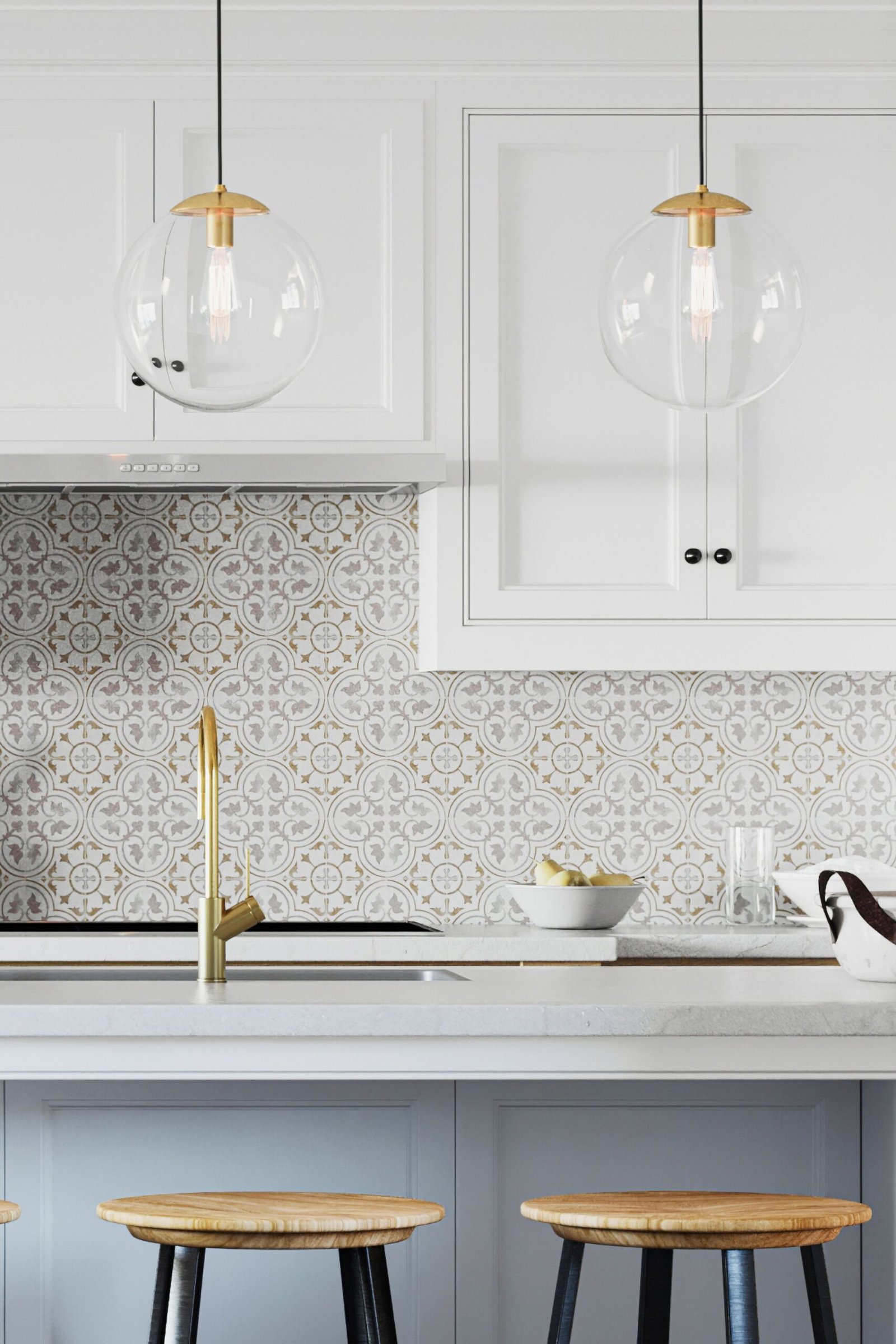
8. Pendant lights over the island
Two or three pendants hung at 30 to 36 inches above the island counter light the surface and define it as its own visual zone simultaneously. One installation, two transformations.
9. Linear pendant over the island
A single linear suspension fixture provides more even coverage across the full island length and creates a cleaner overhead line. The minimal choice for contemporary kitchens.
10. Flexible track lighting
Modern track systems are slim, directional, and adaptable after installation. The ideal solution for kitchens with unusual layouts or multiple distinct work zones that a single ceiling fixture cannot address.
11. Swing-arm sconce beside the range
An unconventional choice that consistently delivers. A swing-arm sconce near the cooktop puts adjustable, direct task light exactly where cooking happens. Plug-in versions require zero wiring.
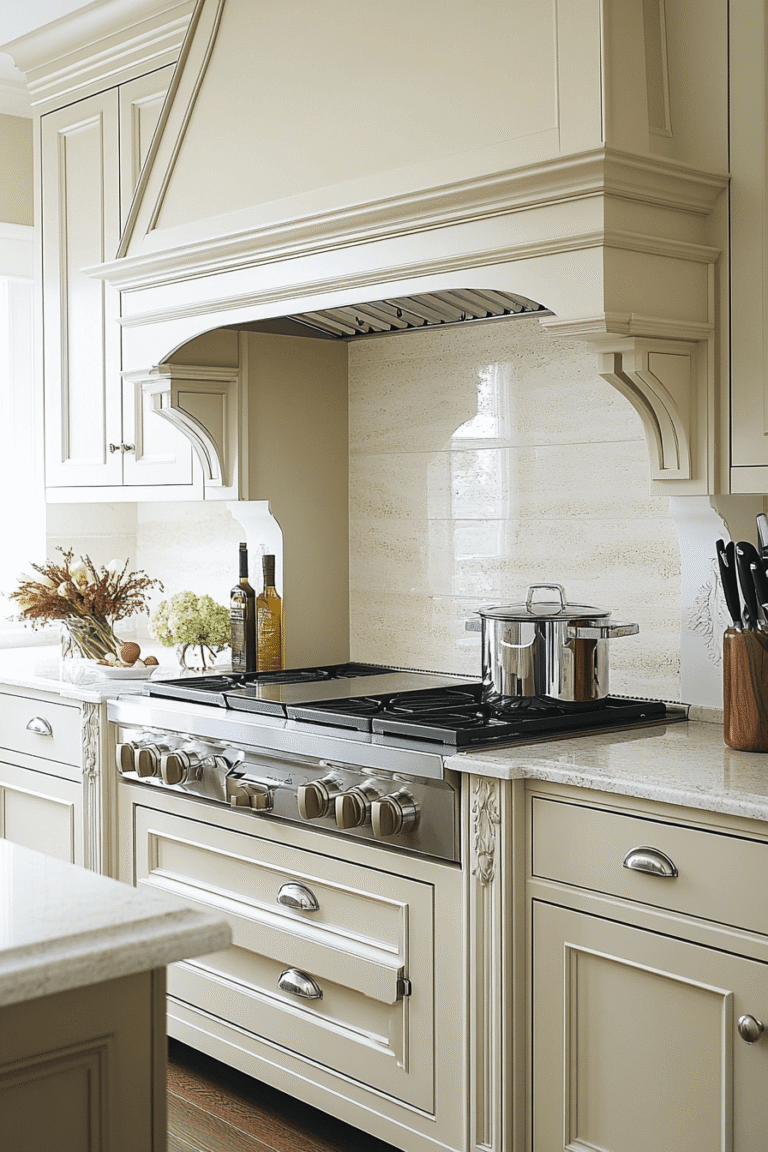
12. Better bulbs in the range hood
Replacing the stock bulbs in your range hood with warm, high-output LEDs takes five minutes and transforms stovetop visibility immediately.
Accent Lighting: Where the Kitchen’s Character Is Revealed
Accent lighting is the layer that makes kitchens feel finished. Without it, a kitchen may function well but it never fully arrives as a space.
13. Interior lights for glass-front cabinets
LED puck lights or strips inside glass-front cabinets complete the display that the glass door was designed to create. Without them, the display disappears at night.
14. Above-cabinet uplighting
LED strips along the top of upper cabinets, aimed upward, cast an indirect warm wash that adds height and fills the upper zone with ambient richness. High reward, minimal installation effort.
15. Toe-kick lighting at floor level
LED strips in the toe-kick space create a floating cabinet effect that looks expensive and provides a gentle nighttime ambient glow that beats any overhead fixture at 2 a.m.
16. Backlighting for open floating shelves
LED strips along the underside or back edge of each shelf keep the display attractive and visible at any hour. Open shelving without lighting is a daytime-only feature.
17. Illuminated translucent kickboard panels
Glowing kickboard panels that emit a continuous light at floor level are a bold, contemporary signature. In the right kitchen they are a transformative finishing detail.
18. Motion-activated drawer interior lights
Battery-powered LED strips inside deep drawers that activate on opening are a small luxury that makes an immediate impression and installs in minutes.
Statement Fixtures: The Pieces That Define the Room at a Glance
A single exceptional fixture communicates more about a kitchen’s identity than any other individual choice. One bold, well-positioned light outperforms six unremarkable ones.
19. One sculptural oversized pendant
A large pendant — woven rattan, hand-blown glass, or architectural metal — gives the kitchen a visual anchor and a design identity expressed through a single choice.
20. A chandelier above the eat-in area
A chandelier above the kitchen dining area elevates the entire zone. The room stops being a place to eat quickly and becomes a room worth dressing for, even on a weeknight.
21. Lantern-style pendants
Lantern pendants carry historical warmth and craft into the kitchen while distributing light generously. They translate across styles with equal effectiveness and age very well.
22. A composed pendant cluster
A cluster of small pendants at varied heights creates an artistic, layered canopy that looks more interesting than the standard evenly spaced row every other kitchen has.
Smart Lighting: Technology That Enhances the Transformation
Smart lighting has become practical, affordable, and genuinely useful. These four options earn their place without requiring a whole-home automation system.
23. Smart bulbs with adjustable color temperature
Smart bulbs let you shift color temperature from bright morning to warm evening with a tap. No rewiring. No fixture changes. One bulb that covers every scenario.
24. Motion-sensor pantry and cabinet lights
Wireless, no-drill lights that take five minutes to install activate when the door opens. Once you have lived with auto-activating cabinet lighting, the alternative feels primitive.
25. LED-integrated cabinet handles
A niche detail for contemporary kitchens. LED-integrated cabinet hardware creates a continuous, subtle glow along cabinet fronts. A distinctive signature that communicates serious design commitment.
26. Solar tube for natural daylight
A solar tube — a reflective conduit from roof to ceiling diffuser — delivers genuine exterior daylight into a kitchen that lacks adequate windows. No renovation required. No artificial source fully replicates it.
Color Temperature and Placement: Protecting the Investment
The wrong bulb or incorrect placement can undermine an otherwise excellent plan. These three principles prevent that from happening.
27. Stay within 2700K to 3000K throughout
Bulbs above 4000K flatten surfaces and create a clinical atmosphere unsuitable for a residential kitchen. 2700K to 3000K is warm, flattering, and right for every surface in the room — stone, wood, food, and people alike.
28. Same color temperature everywhere, brightness varies
Mixed color temperatures create visual dissonance that most people register as the room feeling wrong without identifying why. Keep color temperature identical across every fixture. Manage mood through dimmers. Temperature is constant. Intensity varies.
29. Position task lights ahead of the work surface
A task light behind the user creates a shadow exactly where they need to see. Under-cabinet strips at the front edge of the cabinet base place light between you and the counter. No shadows. Full visibility every time.
The Mistake That Stops the Transformation From Happening
There is one mistake that defeats even well-intentioned kitchen lighting projects.
Buying fixtures before building a plan.
You find a pendant you love, buy it, hang it — and nothing actually changes. Counters still dark. Atmosphere still flat. The fixture is beautiful and doing nothing your kitchen actually needed.
The sequence that works: audit the three layers, find the gaps, then choose fixtures that address those gaps specifically. A fixture with a clear functional role in the right position transforms a kitchen. A fixture without one just occupies it.
The Kitchen You Want Is Closer Than You Think
Consider how different your kitchen could look by this time next week. Not with new cabinets. Not with a renovation. Just with better-layered, better-positioned, better-chosen light.
Start with the layer that addresses your most obvious frustration. Each improvement compounds on the last. The kitchen you end up with — warm, layered, and beautiful at any hour — is entirely achievable without a renovation budget.