Disclosure : This post may contain affiliate links or paid partnerships. I may earn compensation if you click a link or make a purchase, at no additional cost to you. See my disclosure for more info.
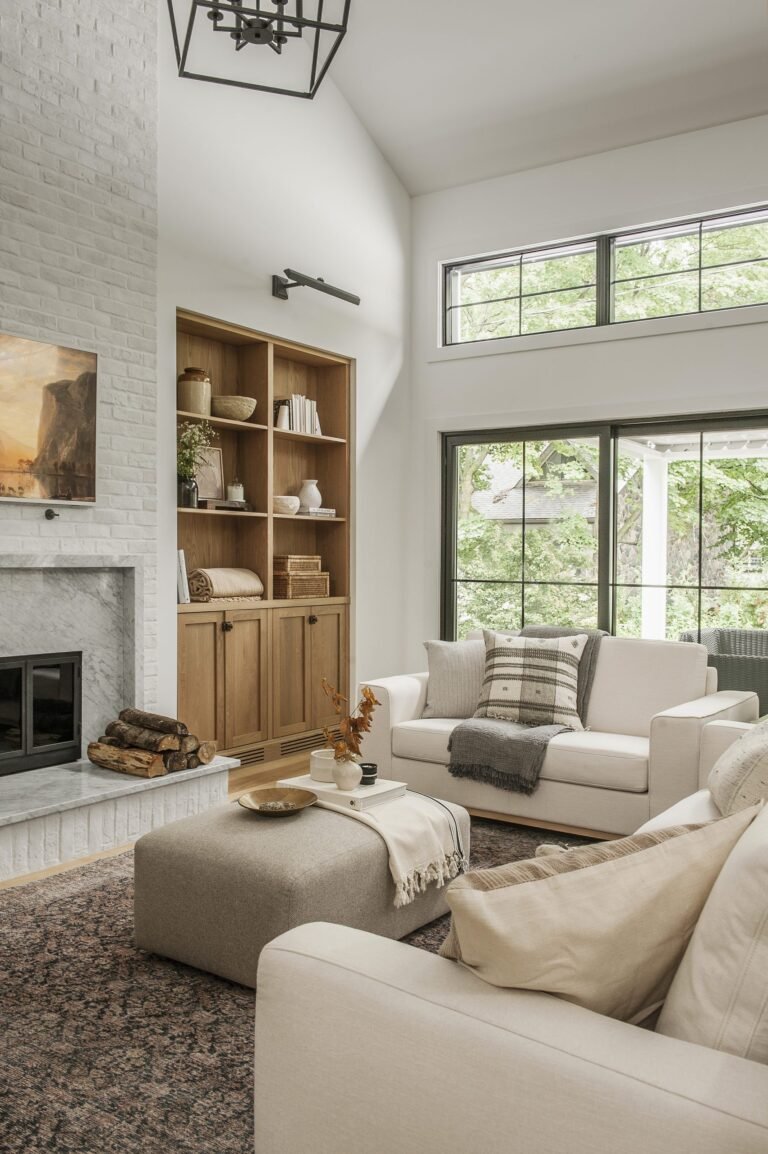
You know the corner.
The one that gets ignored. The one that makes your living room feel unresolved no matter how nice everything else looks.
You’ve walked past it hundreds of times. Thought about it occasionally. Never quite acted on it.
Here’s the fix: a floor lamp. The right one, placed intentionally, turns that dead zone into a deliberate design moment. It adds vertical presence, warm light, and visual closure — everything an empty corner is missing.
And no, another throw pillow on the sofa isn’t going to help.
Here are seven floor lamp styles worth considering, and how to choose between them.
What an Empty Corner Actually Does to a Room
You chose your furniture carefully. Found a rug you liked. Arranged things more than once to get the proportions right.
But the corner got left behind. And it shows.
Empty corners undermine the whole room. Your eye sweeps the space, lands on that bare spot, and registers something unfinished. That low-grade dissatisfaction you feel? It starts there.
A floor lamp adds the one thing the corner is missing: a vertical anchor. Something that draws the eye upward, distributes warmth, and signals that the space extends all the way to its edges — intentionally.
The Error That Ruins Most Corner Lighting
People buy lamps they like instead of lamps that fit.
A lamp that looks beautiful in a bright, minimal setting can look completely out of place in a warmer, more layered room. Context is everything in lighting design.
Scale is the other problem. Too small beside a large sofa and the lamp disappears. Too large beside a small chair and it dominates the corner instead of completing it.
Shop for your corner, not a lamp in the abstract. Keep your specific space in mind as you read through the options below.
1. The Arc Floor Lamp: Bold, Immediate Impact
The most visually commanding floor lamp style. An arc lamp extends a curved arm outward and delivers light from above, like a pendant light that needs no ceiling mount.
Best placed behind a sofa or beside a reading chair, where the arc creates a natural canopy of light. The key rule: the arc should reach over something purposeful — a side table, a seating area, an occupied chair. Over empty floor, the drama has nowhere to land.
Arc lamps work well with low-profile, streamlined furniture. They need a heavy base for stability — verify this if you have children or pets.
2. The Tripod Floor Lamp: Easy Character
A tripod lamp makes a corner look considered without requiring much around it to work. The three-legged form is visually interesting on its own — no side table or accessories needed.
Wood legs suit natural, bohemian rooms. Metal legs fit industrial or contemporary spaces. It’s a versatile style that works in nearly any corner.
Tip: angle one leg toward the wall and two toward the room for the most stable, grounded visual stance.
3. The Torchiere: Light That Fills a Room From One Corner
Sends light upward, uses the ceiling as a diffusion surface, and fills the room with soft, even ambient illumination. A torchiere mimics overhead lighting without any installation.
Ideal for rooms without ceiling fixtures, or spaces that feel darker or lower than they should. Modern versions offer dimmable LED settings for full control over ambiance.
One condition: the ceiling needs to be light-colored. A dark ceiling absorbs the light instead of reflecting it back.
4. The Pharmacy Floor Lamp: Directional Light, Slim Footprint
The most functional of the group. A pharmacy lamp has an articulating arm that directs light precisely where you need it. Originally from clinical design, now used in reading corners and home offices across every interior style.
If the corner sits beside a chair where you read or work, this is the most honest choice. Slim, purposeful, and it looks deliberate rather than decorative.
Works best when there’s something nearby to illuminate — a side table, a book, a work surface.
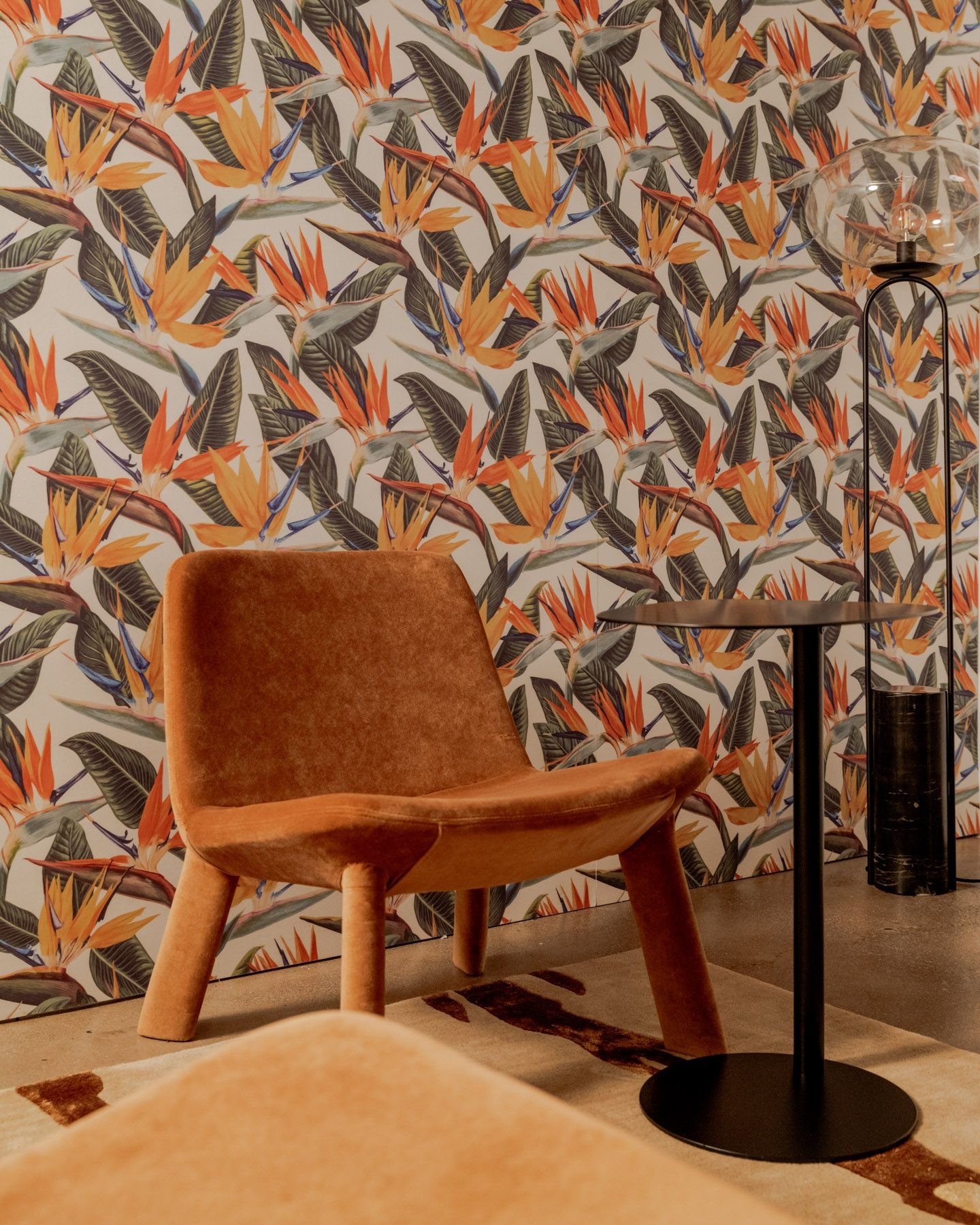
5. The Statement Sculptural Lamp: When the Object Matters More Than the Light
Not every corner needs better light. Sometimes it needs something worth looking at.
Sculptural lamps prioritize form — unusual shapes, unexpected materials, silhouettes that work as visual art. The illumination is secondary to the presence.
The caution: sculptural lamps require restraint. Bold in one dimension — shape, material, or color. Neutral in everything else. Multiple strong choices compete rather than compose.
6. The Shelf Floor Lamp: Light and Storage Combined
Solves two problems at once. A shelf floor lamp combines illumination with built-in display surfaces in one vertical footprint — no extra floor space required.
In compact rooms, this efficiency is genuinely useful. A few books, a small succulent, a framed photo — the corner becomes a composed vignette.
The rule: leave at least one shelf empty. Fully loaded shelves read as clutter. Selectively loaded ones read as curation.
7. The Rattan or Woven Floor Lamp: Warmth Through Texture
For rooms built on natural materials — wood, linen, clay, stone — a rattan or woven lamp integrates rather than interrupts. Illuminated, the woven shade casts warm, patterned light across surrounding walls. The effect is textured and deeply atmospheric.
This is a mood lamp, not a task lamp. Soft, diffused light — excellent for atmosphere, limited for reading or close work.
Pair with a floor cushion and a low basket for a corner that becomes an actual destination.
How to Pick the Right One for Your Corner
Four questions before you buy:
What does the corner need to do? Task light, ambient glow, or visual weight? That answer is your first filter.
What is the ceiling height? High ceilings support arc lamps and torchieres. Standard or lower ceilings work better with pharmacy lamps and tripods.
What does the room look like? Your lamp should speak the same material and tone language as the furniture already in the space.
How much floor space is available? Measure it. Arc lamps and tripods need clearance. Shelf lamps and pharmacy lamps fit tighter footprints.
The Light-Layering Trick That Makes Floor Lamps Look Expensive
A floor lamp alone is a start. A floor lamp layered with other light sources is design.
The principle: distribute light at three heights. Floor lamp high. A table lamp mid-level. Candles low. This vertical distribution creates depth, warmth, and the quality of light that makes rooms feel intentionally designed.
Your corner lamp is the anchor. Give it companions.
Now Go Fix the Corner
It’s a simple fix. One well-chosen floor lamp that fits the scale, function, and aesthetic of that specific corner.
You don’t need a redesign. You don’t need weeks of research. You just need to make a decision and place it.
The right floor lamp doesn’t just occupy a corner.
It finishes the room around it.
Your corner has been waiting. Go fix it.