Disclosure : This post may contain affiliate links or paid partnerships. I may earn compensation if you click a link or make a purchase, at no additional cost to you. See my disclosure for more info.
There’s a version of farmhouse style that’s tired.
The one with too many Mason jars and not enough personality. The one that looks assembled from a checklist rather than built from a life.
And then there’s the version that actually works — layered, considered, full of things that have a reason to be there.
That’s what this list is about. Not trends. Not formulas.
Just over 30 ideas for a farmhouse kitchen that feels genuinely, beautifully lived in.
The Textile Layer: Where Warmth Actually Comes From
1. Dress the windows in soft, natural linen.
Simple linen curtains in cream or undyed linen bring light into the room without filtering it into harshness. They move. They soften the window frame. And they signal a design sensibility that’s understated rather than overdone.
2. Lay a low-pile vintage-style runner where you stand most often.
A muted, slightly distressed runner rug in the work corridor cushions tired feet and adds warmth to floors that would otherwise feel purely utilitarian. Form meeting function in one elegant object.
3. Replace paper napkins with cloth and make it permanent.
cloth ones rolled into a basket on the counter. It’s a quiet, effortless elevation of every single meal — the kind of choice that shifts daily life without demanding any ongoing effort.
Refined Restraint: The Accents That Elevate Without Overwhelming
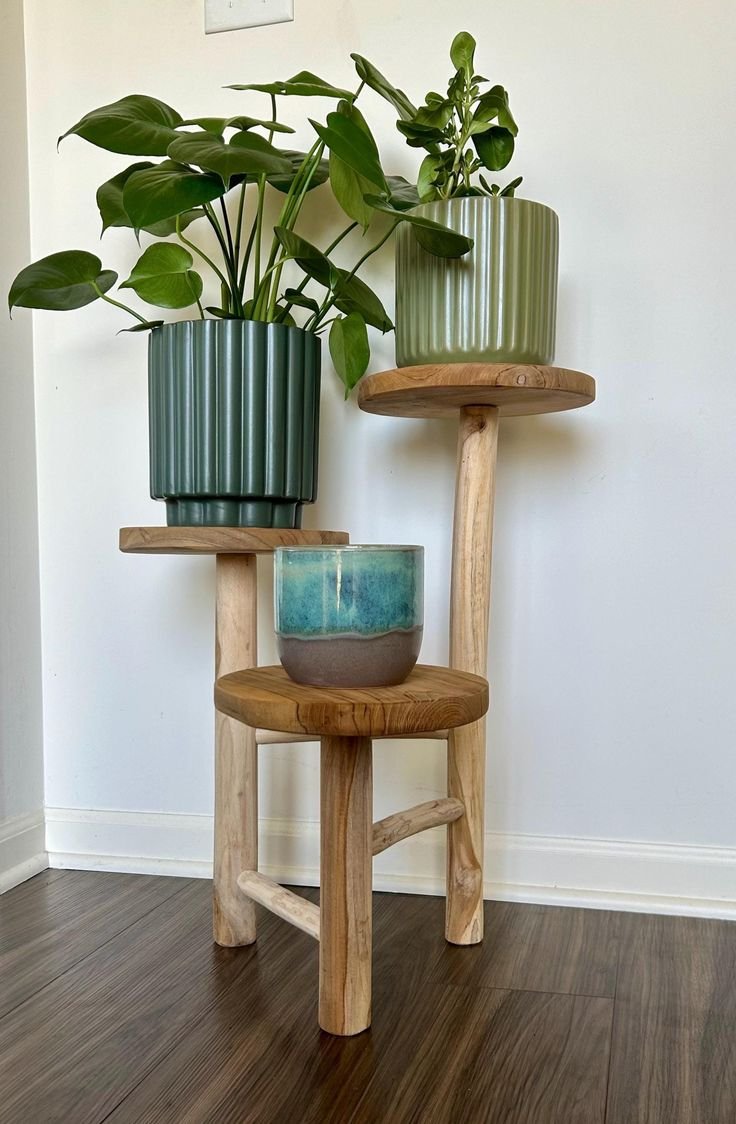
4. Add a single living plant and resist the urge to add more.
One potted herb. One sculptural trailing plant. Farmhouse style at its most refined practices botanical restraint — a single living element rather than a collection. One well-chosen plant outperforms five mediocre ones every time.
5. Lean a curated selection of wooden boards against the backsplash.
Varying shapes and finishes. A mix of woods. Cutting boards that function as both tools and objects create the kind of casual, considered display that elevates a surface without making it look styled.
6. Conceal the trash behind a cabinet door.
A pull-out solution. The bin becomes invisible. The kitchen becomes more cohesive. These moments of edited restraint are what separate a thoughtfully designed kitchen from one that just grew organically.
7. Leave a seasoned cast iron skillet on display by the stove.
Nothing signals authentic cooking the way a well-used cast iron skillet does. It carries the warmth of all the meals cooked in it and asks no questions about whether it belongs in a farmhouse kitchen. It simply does.
8. Position a small wooden step stool near the work area.
Practical, proportional, beautiful in its simplicity. A wooden step stool is the kind of honest object that farmhouse design builds around — one that does real work and asks nothing in return except to be kept in sight.
Architectural Choices: The Investments That Pay Off for Decades
9. Commit to an apron-front sink as the room’s centrepiece.
A deep apron-front farmhouse sink in fireclay establishes the character of the entire kitchen before a single decorative choice is made. This is the kind of foundational investment that shapes everything that comes after it.
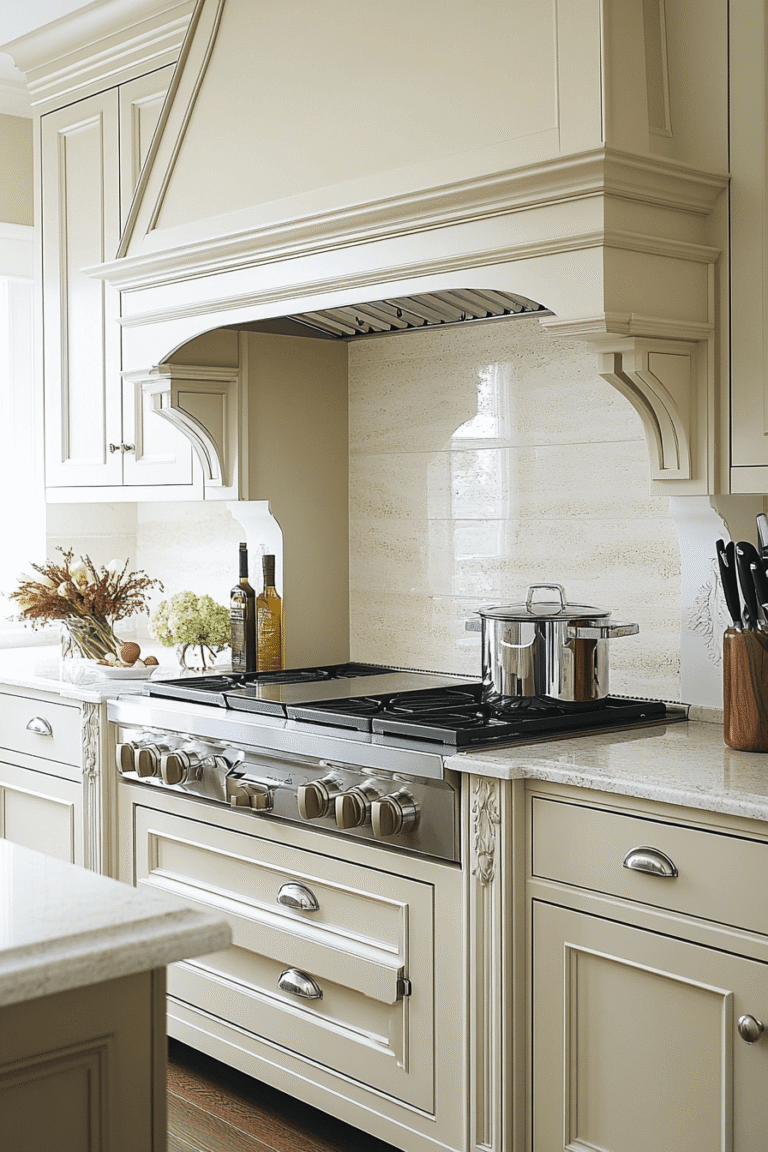
10. Choose a warm white for the cabinetry with intention.
The undertone matters enormously. Creamy, antique, or linen-toned whites read as farmhouse. Blue- or gray-based whites read as contemporary. The warmth in the base color is doing invisible but essential work.
11. Introduce butcher block as a deliberate material counterpoint.
Against stone or quartz, a section of walnut or maple butcher block introduces organic warmth that manufactured surfaces simply cannot replicate. It improves over time — which makes it feel like a living material rather than a finish.
12. Apply beadboard to the island’s face panels.
The vertical rhythm of beadboard is one of farmhouse design’s oldest and most reliable signatures. Applied to the island, it transforms a flat storage box into a piece with genuine character.
13. Select subway tile for the backsplash in a non-standard hue.
The geometry is traditional. The color is your editorial choice. A handmade-feeling sage, a chalky slate, or a warm bone white all work — each with a different emotional tone. The choice defines the kitchen’s personality.
The Island as Focal Point: Getting the Most Important Piece Right
14. Source an island with furniture proportions and presence.
Turned legs. A finish with depth and age. A furniture-style island that reads as a piece of furniture rather than a kitchen fixture is the difference between a room that looks assembled and one that looks found.
15. Arrange the island surface to look used, not styled.
A cutting board propped at an angle. A vessel of tools. A folded linen. These are objects in use, not objects arranged for a photograph. The distinction is always legible to anyone who looks — and always worth getting right.
16. Seat the island with character-rich, non-matching stools.
A considered set of varied stools communicates that the kitchen has evolved over time rather than been installed in a single purchase. The visual interest they create is genuine, not manufactured.
The Fine Details: Hardware, Fixtures, and What They Say About the Room
17. Invest in quality hardware in a dark, patinated finish.
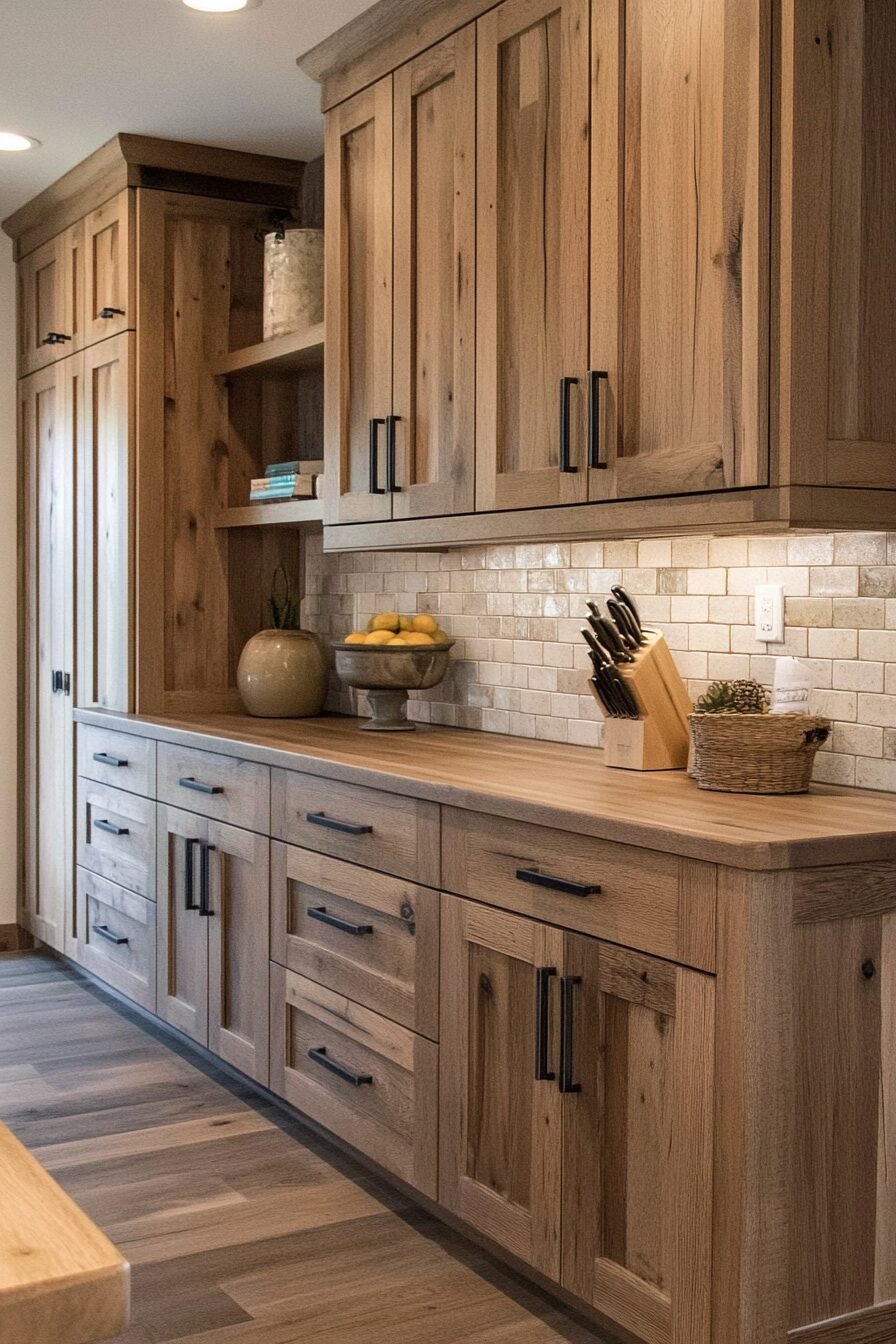
Bin pulls. Bin pulls. Cup pulls. Oversized knobs in matte black or oil-rubbed bronze. Hardware is the room’s punctuation — small marks that shape how the whole sentence reads.
18. Choose a pendant light with substance and material honesty.
Matte black. Galvanized steel. A metal pendant light that makes no effort to appear polished or refined. The most beautiful farmhouse light fixtures look like they’ve earned their place over time — not like they were placed by a designer.
19. Replace the faucet with a period-appropriate bridge design.
A bridge-style model acknowledges the kitchen’s heritage without being slavishly historical. It’s a detail that rewards close attention — exactly the kind of detail a well-designed kitchen should have plenty of.
20. Install hooks beneath the upper cabinets for daily-use items.
Iron or unlacquered brass. For mugs, towels, and tools that benefit from being immediately accessible. Utility displayed with intention is always more beautiful than utility hidden.
Curated Order: Organization That Enhances Rather Than Sanitizes
21. Display everyday ceramic dishes on a wall-mounted rack.
Good ironstone. Textured stoneware. The things you use, elevated by the simple act of being seen. A plate rack turns daily objects into a display that changes every time the dishes are washed.
22. Use woven baskets to contain countertop items with natural texture.
Bread, produce, and the inevitable countertop accumulation are all improved by being gathered into a woven basket. Organic texture alongside clean surfaces is one of farmhouse design’s most reliable visual formulas.
23. Hang cookware on a painted wooden pegboard.
The tools of cooking displayed as objects in their own right. A pegboard system painted to sit quietly against the wall makes working cookware look like what it always was: beautiful objects that happen to be useful.
24. Decant pantry staples into clear glass vessels.
Uniform glass jars with simple hand-lettered labels. The visual coherence that results from this one habit transforms a shelf from a storage surface to a quietly composed still life.
Surface and Depth: The Materials That Give a Room Its Character
25. Exchange enclosed upper cabinets for open wooden shelving.
Open shelves reduce visual weight and give the room an opportunity to breathe. Edit them carefully — a few beautiful objects, adequate negative space. A spare shelf reads as confidence. An overcrowded one reads as clutter.
26. Install shiplap as a single textural accent behind the stove.
Painted to be nearly invisible within the color palette. The texture it adds to the room is felt before it’s consciously seen — which is exactly how the best architectural details work.
27. Add ceiling beams for structural warmth and visual depth.
Genuine reclaimed timber is always worth the investment. High-quality faux beams are worth considering when the budget or structure won’t accommodate the real thing. Either way, they change the room’s fundamental character.
28. Apply board-and-batten panelling to the lower wall of the dining area.
White or warm gray, floor to chair-rail. It adds architectural interest and a sense of care that plain walls never provide. In farmhouse kitchens with eat-in areas, it’s close to essential.
29. Paint a single wall in a quiet, earthy tone.
Sage. Dusty terracotta. A soft, grayed navy. One considered wall anchors the room and prevents an all-white kitchen from feeling like a clean room rather than a home.
The Dining Corner: Where the Kitchen Becomes a Gathering Space
30. Build a generous upholstered bench into an available wall or corner.
With cushions, a few layered pillows, and a solid table alongside it. This becomes the room’s most-used space — the place where daily life actually unfolds rather than just being stored.
31. Hang an oversized antique-style clock in the dining area.
A round enamel wall clock with presence and age communicates something important about the room: that time here moves slowly, meals are unhurried, and there’s no reason to rush toward whatever comes next.
32. Keep a wooden tray as a permanent feature of the table.
A wooden tray with a candle, a small vessel of flowers or herbs, and simple condiments. It makes the table look set and welcoming at all times — a quiet hospitality that costs almost nothing to maintain.
The Philosophy: Build a Kitchen That Looks Like Someone Loves It
The farmhouse aesthetic isn’t really a style. It’s a philosophy about how to live.
It says: use real materials. Keep the functional visible. Let things wear. Choose fewer things and choose them well.
Applied to a kitchen, that philosophy produces spaces that feel profoundly different from ones designed according to what’s currently fashionable.
They feel permanent. Specific. Lived in by choice rather than by accident.
Take what resonates from this list. Build slowly. Let the room evolve.
That’s what a farmhouse kitchen is — a room that gets better the longer someone lives in it.